Need a Virtual Number Right Now?
Skip the wait — rent an instant virtual number and start receiving SMS codes in seconds.
7 Reasons to Use a Temporary Phone Number to Protect Your Privacy · 2:06
Transcript
In today's digital environment, a personal phone number is no longer used only for making calls or sending messages. It is also used to register accounts, receive OTPs, verify identity, recover passwords, and link to various online services. Providing the same phone number to too many platforms can cause personal information to have a broader range of exposure than intended. That is why temporary phone number are increasingly being chosen by many people as an additional layer of protection for online privacy. When used properly, this type of number helps reduce the need to share your primary phone number, limit spam, and create separation between your personal identity and short-term online activities. Why Can a Personal Phone Number Affect Online Privacy? Many people still consider a phone number relatively harmless information. However, in reality, it can act as a digital identifier and be linked to many different types of data. Phone Numbers Are Becoming Digital Identifiers More and more websites and applications require users to enter a phone number during registration. This number may be used for: Account verification Receiving OTPs Two-factor authentication Password recovery Receiving notifications Confirming transactions Linking multiple accounts to the same user This makes a personal phone number gradually become an important part of each person's digital profile. If the same number is used across multiple platforms, it can become a common link between different accounts. In some cases, this may increase the possibility of data from multiple sources being connected. A Phone Number Can Be Linked to Multiple Pieces of Personal Data Depending on the platform, a phone number may be stored together with: Full name Email Social media accounts Purchase history Shipping address Contacts Login information Devices used This does not mean that simply knowing a phone number provides access to all of this information.
In today’s digital environment, a personal phone number is no longer used only for making calls or sending messages. It is also used to register accounts, receive OTPs, verify identity, recover passwords, and link to various online services. Providing the same phone number to too many platforms can cause personal information to have a broader range of exposure than intended.
That is why temporary phone number are increasingly being chosen by many people as an additional layer of protection for online privacy. When used properly, this type of number helps reduce the need to share your primary phone number, limit spam, and create separation between your personal identity and short-term online activities.
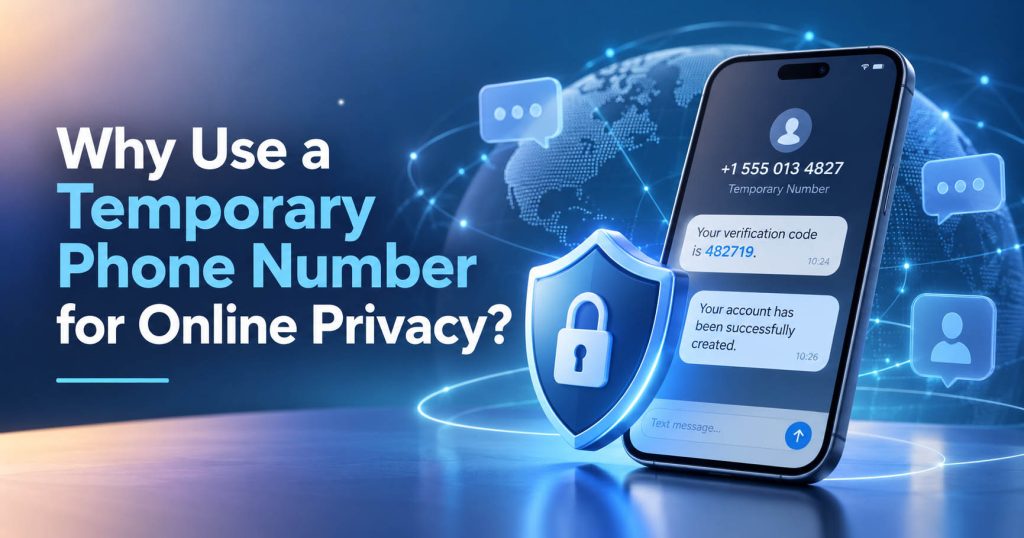
Why Can a Personal Phone Number Affect Online Privacy?
Many people still consider a phone number relatively harmless information. However, in reality, it can act as a digital identifier and be linked to many different types of data.
Phone Numbers Are Becoming Digital Identifiers
More and more websites and applications require users to enter a phone number during registration. This number may be used for:
- Account verification
- Receiving OTPs
- Two-factor authentication
- Password recovery
- Receiving notifications
- Confirming transactions
- Linking multiple accounts to the same user
This makes a personal phone number gradually become an important part of each person’s digital profile. If the same number is used across multiple platforms, it can become a common link between different accounts. In some cases, this may increase the possibility of data from multiple sources being connected.
A Phone Number Can Be Linked to Multiple Pieces of Personal Data
Depending on the platform, a phone number may be stored together with:
- Full name
- Social media accounts
- Purchase history
- Shipping address
- Contacts
- Login information
- Devices used
This does not mean that simply knowing a phone number provides access to all of this information. However, the more places a phone number appears, the broader the range of data it may potentially be linked to.
The More You Share Your Phone Number, the Greater the Exposure
Not every website needs to retain your personal phone number for a long period of time.
For example, you may only need a phone number to:
- Register for a test account
- Receive a one-time verification code
- Access a temporary service
- Post a buying or selling listing
- Participate in a promotional program
- Register for an event
If you always use your primary phone number in these situations, that number will gradually appear across many different systems. As a general data privacy principle, the fewer platforms that store your personal phone number, the lower the level of data exposure.
Risks When a Platform’s Data Is Leaked
No online system is completely immune to security risks.
If a platform that stores your phone number experiences a security incident, the data may be used for:
- SMS spam
- Advertising calls
- Phishing
- Impersonation scams
- Social engineering
- Unwanted marketing campaigns
Using a temporary phone number for less-important services can help reduce the likelihood of your primary phone number appearing in datasets like these.
How Does a Temporary Phone Number Protect Privacy?
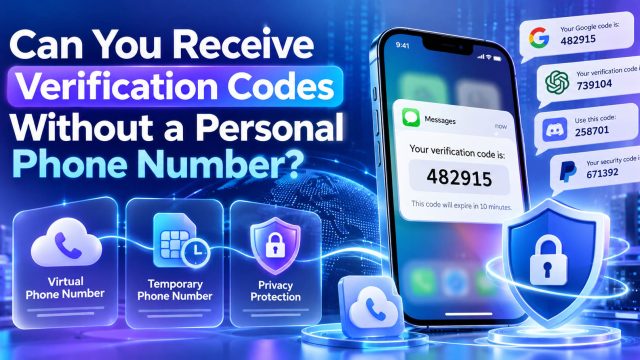
A temporary phone number is a number used for a limited period of time or for a specific purpose. Instead of providing a personal phone number to every website, users can use a separate number to receive SMS or verification codes. This approach helps create a layer of separation between the user and online platforms.
Keep Your Personal Phone Number Away from Unnecessary Websites
The most obvious benefit is reducing the need to provide your primary phone number.
Instead of:
User → Personal Phone Number → Multiple Websites and Applications
you can create the following model:
User → Temporary Phone Number → Website or Application
In this case, the website only knows the temporary number you provide, rather than the primary phone number you use every day.
Create a Layer of Separation Between Personal Identity and Online Activities
A good privacy strategy is often based on the principle of separation.
You can reserve your primary phone number for:
- Family
- Work
- Banking
- Primary email
- Important services
Meanwhile, a temporary phone number can be used for:
- Websites you rarely use
- Short-term accounts
- Testing services
- Promotional programs
- Marketplaces
This approach helps reduce the possibility that all of your online activities will be linked to the same phone number.
Limit Spam and Unwanted Calls
Some websites may use your phone number to send marketing notifications or share data with partners according to their own policies. If you use a temporary phone number for short-term activities, these messages will not be sent directly to your primary phone number. When you no longer need the number, you can stop using it instead of continuing to receive messages for a long period of time.
Reduce the Impact When Data Is Exposed
If a platform only has your temporary phone number, your primary phone number does not directly appear in that database. This does not mean that your identity is completely protected, but it helps reduce one important piece of data that could potentially be exposed.
This is an important distinction between privacy protection and complete anonymity.
7 Reasons to Use a Temporary Phone Number to Protect Your Privacy
No Need to Provide Your Primary Phone Number to Every Website
This is the most important reason. Not every website you register for needs to keep your personal phone number for many years. For short-term accounts, using a temporary number helps reduce the number of databases that store your real phone number.
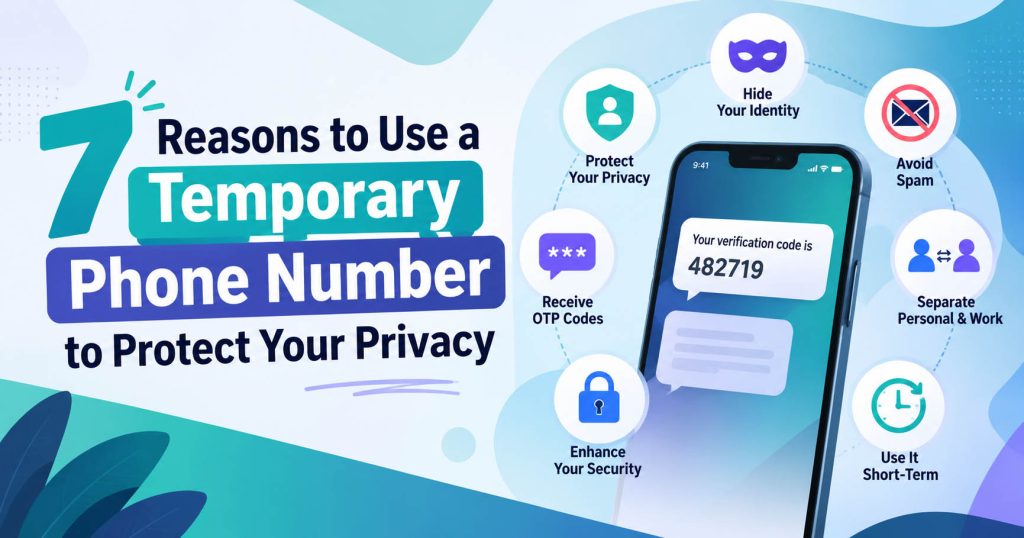
Reduce the Risk of Receiving Spam SMS and Marketing Calls
When you use your primary number to register for multiple services, you may start receiving:
- Advertising SMS
- Marketing calls
- Promotional messages
- Unwanted content
A temporary phone number helps limit the extent to which these activities directly affect your personal communication channel.
Receive OTPs Without Providing Your Personal Number
One of the most common use cases is receiving an OTP or verification code. Many websites only require a phone number to confirm that the registrant has access to a valid number. When the platform allows it, you can use a temporary phone number to receive the code instead of providing your personal number.
Separate Short-Term Accounts from Your Primary Identity
If an account is only used for a few days or weeks, using a long-term personal number may not actually be necessary.
A temporary number is particularly useful for:
- Test accounts
- Short-term projects
- Marketplaces
- Event programs
- One-time-use services
Limit Linking Traces Between Multiple Platforms
If the same phone number is used on dozens of websites, it can become a common attribute across multiple profiles. Using a separate number for certain short-term activities helps reduce the possibility that all accounts share the same linking point.
No Need to Purchase an Additional Physical SIM
Depending on the type of service, a temporary phone number can operate online without requiring the user to purchase and install an additional physical SIM.
This is especially convenient if your only purpose is to:
- Receive SMS
- Receive OTPs
- Verify an account
- Test the registration process
Can Stop Using It After Completing the Purpose
Not every phone number needs to be maintained long-term. If you only need a number for a specific purpose, being able to stop using it afterward helps simplify the management of your contact information.
When Should You Use a Temporary Phone Number?
A temporary number is most suitable for activities with a lower level of risk or a short usage period.
Registering for a Website or Application You Will Only Use Once
You may not want to provide your personal number to a service that you are not sure you will use long-term.
For example:
- Testing services
- Forums
- Online tools
- Websites that require verification to access content
Receiving SMS Verification Codes or OTPs
This is one of the most common applications. If the platform supports the type of number you are using and does not require a long-term number, you can use a temporary phone number to receive the verification code.
Posting Listings on a Marketplace
When buying or selling online, providing your personal number to many strangers can increase spam or unwanted calls. Using a separate number for short-term transactions helps create a useful layer of separation.
Registering for Promotional Programs
Marketing campaigns often require a phone number to send promotional codes or notifications. If you do not want your primary number to receive advertising over the long term, a temporary number may be a more suitable option.
Testing Applications and SMS Processes
Developers, QA testers, or product development teams may need phone numbers to test:
- SMS verification
- OTP
- Signup flow
- Account activation
In this case, using a separate number for the testing environment is more appropriate than using a personal number.
When Should You Not Use a Temporary Phone Number?
A temporary phone number is not a suitable solution for every account. In particular, you should not use it for services that require stable, long-term access.
Bank and Financial Accounts
Bank accounts often use phone numbers for:
- Transaction confirmation
- Identity verification
- Account recovery
- Security alerts
If the number expires or is reclaimed, you may have difficulty accessing your account.
Primary Email
Email is often the center of many other accounts. If you use a temporary phone number as a recovery method, you risk losing the ability to recover your account later.
Long-Term Accounts
If an account needs to be kept for many years, you should use a stable contact method. A temporary phone number may not guarantee long-term control.
Need a Virtual Number Right Now?
Skip the wait — rent an instant virtual number and start receiving SMS codes in seconds.
Government Services or Sensitive Information
Services related to official identity, legal records, or sensitive data should use stable contact information as required by the platform.
Long-Term Two-Factor Authentication
If a number is used to receive 2FA codes for many years, a temporary phone number is generally not a good choice. In this case, you should use a long-term number or another more suitable authentication method.
Does a Temporary Phone Number Help You Become Completely Anonymous?
The answer is no. This is an important point that users need to understand clearly. A temporary phone number mainly helps reduce the disclosure of your primary phone number. It does not automatically make you completely anonymous on the Internet.
What a Temporary Number Can Help Protect
It can help limit a website’s access to:
- Your primary personal phone number
- One of your direct contact details
What It Does Not Automatically Hide
A website may still collect or use other data such as:
- Email address
- Cookies
- Device information
- IP address
- Payment information
- Account data
- Information entered by the user
Therefore, a temporary phone number is only one part of a privacy protection strategy.
Privacy Is Not the Same as Anonymity
These two concepts are often confused.
Privacy relates to controlling what information is shared and with whom.
Anonymity refers to how difficult it is to link an online activity to a specific identity.
A temporary number mainly supports privacy by reducing the exposure of your personal phone number.
Is a Temporary Phone Number Safe?
The level of safety depends greatly on the type of number and the provider.
Private Numbers and Public Numbers Are Not the Same
Some services provide a public inbox, meaning that multiple people can view SMS messages sent to that number. This type of number is not suitable for receiving sensitive information. In contrast, a private number generally limits inbox access to the person renting or using the number.
Risks of a Public SMS Inbox
If SMS messages can be viewed publicly, other people may also be able to read:
- OTP codes
- Verification codes
- Message content
Therefore, you should never use a public inbox for an important account.
Number Recycling
A temporary phone number may be reused after you stop renting it or after its usage period expires. This means that someone else may be assigned the same number in the future. Therefore, you should not leave an important account linked to a number that you no longer control.
Some Platforms May Reject Temporary Numbers
Not every service supports all types of numbers.
Some websites have systems that detect:
- VoIP
- Shared numbers
- Virtual number ranges
- Temporary numbers
Therefore, there is no guarantee that a temporary phone number will work with every platform.
How Are Temporary Phone Numbers, Virtual Phone Numbers, and Disposable Numbers Different?
These terms are often used interchangeably, but technically, they are not exactly the same.
Temporary Phone Number
This is a number used for a limited period of time.
The purpose is usually to:
- Receive SMS
- Verification
- Short-term communication
Disposable Phone Number
Disposable phone number generally emphasizes very short-term use, sometimes even for just a single verification. After that, the user does not continue to maintain the number.
Virtual Phone Number
Virtual phone number describes how the number is provided and operated. A virtual phone number can be used for either a short period or a long period.
Therefore: Not every virtual phone number is a temporary phone number.
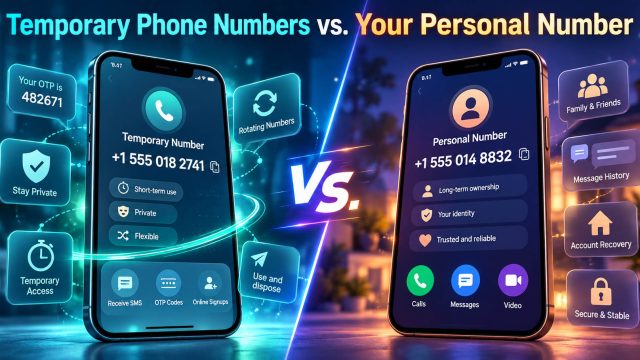
Second Phone Number
This is usually a second number that is maintained for a longer period. It is suitable if you want to separate your work number from your personal number while still maintaining long-term control.
How to Use a Temporary Phone Number to Protect Your Privacy
A reasonable process can include five steps.
Step 1: Determine the Importance of the Account
Before using a temporary phone number, ask yourself: “Will I need to access this account again in six months or one year?” If the answer is yes, consider using a more stable number.
Step 2: Choose the Appropriate Number Type
Consider:
- Country
- Usage period
- Private or public number
- SMS receiving capability
- Control over the number
Step 3: Enter the Number When the Website Requests It
Use the temporary phone number instead of your primary number if the platform allows it and the account does not belong to a sensitive category.
Step 4: Receive the SMS or OTP
After the website sends the code, access the corresponding inbox and complete the verification process.
Step 5: Manage the Number’s Lifecycle
If you no longer use the number, check whether there are any accounts still linked to it. If there are, change the number or remove the recovery method before losing control of the number.
8 Principles for Using Temporary Phone Numbers Safely
To better protect your privacy, users should follow some basic principles:
- Do not use a temporary phone number for bank accounts.
- Do not use a public inbox to receive sensitive data.
- Do not rely on a short-term number to recover your primary email.
- Check the usage period before registering.
- Avoid using one number for too many accounts.
- Read the provider’s privacy policy.
- Do not use the number to violate platform rules or terms.
- Combine a temporary phone number with other security measures.
A Temporary Phone Number Is Only One Part of a Privacy Protection Strategy
There is no single tool that can protect a user’s entire digital identity. A temporary phone number should be combined with other measures.
Use a Separate Email for Less Important Accounts
You do not necessarily need to use your primary email for every service. Separating email accounts helps reduce the possibility that multiple accounts will be linked to the same profile.
Use Different Passwords
If the same password is used on multiple websites, a data breach at just one platform can create risks for other accounts.
Enable MFA for Important Accounts
For high-value accounts, you should use an appropriate and stable authentication method.
Limit Application Permissions
Many applications request access beyond their actual needs.
Check:
- Contacts
- Location
- Camera
- Microphone
- Device data
Only grant permissions that are actually necessary.
Frequently Asked Questions
Does a Temporary Phone Number Help Hide Your Real Phone Number?
Yes, in many cases, the website only sees the number you provide. However, this does not mean that your entire identity is hidden.
Can a Temporary Phone Number Receive OTPs?
It depends on the platform and the type of number. Some services support them, while others may block virtual or temporary phone numbers.
Should You Use a Temporary Phone Number for Social Media?
You may consider it for a short-term account if the platform allows it. However, a primary account should use a stable recovery method.
Should You Use a Temporary Phone Number for Banking?
No. Financial accounts need a stable number that remains under your long-term control.
Can Other People Read SMS Sent to a Temporary Phone Number?
If it is a public number or shared inbox, they may be able to. Therefore, you should not receive sensitive data through a public number.
Can a Temporary Phone Number Be Recycled?
It can be. This depends on the provider and its number management policies.
Are Virtual Phone Numbers and Temporary Phone Numbers the Same?
Not exactly. A virtual phone number can be used long-term, while a temporary phone number is designed for a limited period of time.
Does a Temporary Phone Number Make Users Completely Anonymous?
No. It only helps reduce the disclosure of your personal phone number. A website can still collect other data such as IP address, cookies, or email.
Reference sources:
https://www.pvacodes.com/complete-guide-to-using-a-temp-phone-number-for-online-privacy
https://pvacodes.com/how-to-get-a-temp-phone-number-a-practical-guide-for-online-privacy
https://online-sim.org/blog/are-temporary-numbers-safe
https://www.digitalfootprintcheck.com/burner-phone-number
Need a Virtual Number Right Now?
Skip the wait — rent an instant virtual number and start receiving SMS codes in seconds.

 Apple
Apple  Telegram