Need a Virtual Number Right Now?
Skip the wait — rent an instant virtual number and start receiving SMS codes in seconds.
For many years, phone numbers have no longer been used only for making calls or sending messages. Today, they also play an important role in account registration, receiving OTP codes, identity verification, customer support, and operating online businesses.
However, users do not always want to provide their personal phone number to every website or purchase an additional physical SIM just to serve a short-term need. That is why virtual phone number are increasingly being used as a more flexible solution.
So, what is a virtual phone number, how is it different from a physical SIM and eSIM, how does it work, and can it be used to receive SMS or OTPs? The article below will provide a comprehensive explanation of these issues, while also analyzing when a virtual phone number is truly suitable and how to use it more safely.
What Is a Virtual Phone Number? Meaning, Characteristics, and How to Identify One
What Is a Virtual Phone Number?
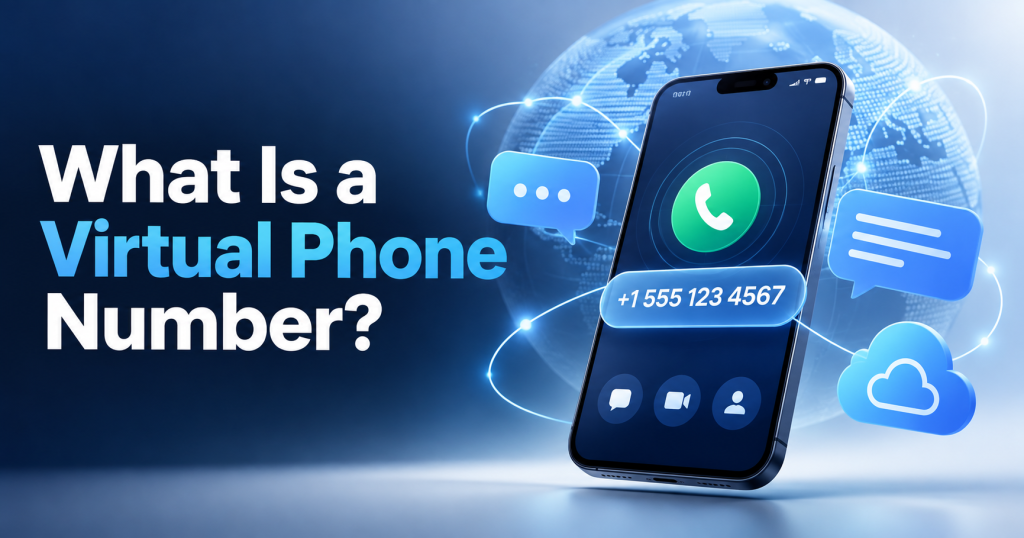
A Virtual Phone Number is a phone number that does not necessarily have to be directly linked to a physical SIM card inserted into the user’s phone. Instead, the number can be managed through an online platform, cloud telephony system, VoIP, or other digital telecommunications infrastructure.
Depending on the type of service, a virtual phone number may support receiving SMS, receiving OTP codes, making or receiving calls, call forwarding, account verification, or business operations.
Simply put, with a traditional phone number, the number is usually linked to a specific mobile subscription through a SIM or eSIM. Meanwhile, a virtual phone number can be managed and routed through an online system without requiring the user to directly own a corresponding physical SIM.
This is also why virtual phone numbers are used in many different situations, from individuals who want to protect their primary number to businesses that need phone numbers in multiple markets.
Common Names for Virtual Phone Numbers
When researching this topic, you may come across terms such as Virtual Number, Online Phone Number, Internet Number, Cloud Phone Number, VoIP Number, Temporary Phone Number or Disposable Phone Number.
These concepts are related but are not exactly the same.
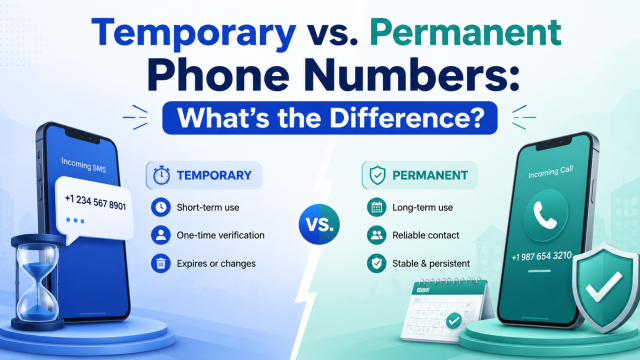
For example, a virtual phone number is a broad concept. A business may rent a virtual number for many years to use as a hotline or business phone system. Meanwhile, a temporary phone number focuses on a shorter period of use, usually from a few minutes to a few days.
A disposable phone number is generally used for only one or a few verification attempts. Meanwhile, a VoIP Number mainly emphasizes that calls or communications are transmitted through Internet Protocol.
Understanding these differences is very important, especially if your goal is to receive SMS online or receive OTPs online.
Key Characteristics of Virtual Phone Numbers
The most notable feature of a virtual phone number is its flexibility. Users can often manage the number through a website or dashboard without necessarily inserting a SIM into a phone.
Depending on the provider, the number may support SMS, OTPs, or calls. Some services also allow users to choose a number by country, rent it for a short period, or maintain it for several months.
For businesses, a virtual number can also be connected to a business phone system, forward calls to multiple employees, or be used as a shared contact number without depending on the geographical location of each person.
How to Identify a Virtual Phone Number
You cannot always look at a sequence of numbers and know whether it is a virtual number or a traditional number. In appearance, a virtual phone number can look exactly like a regular phone number. The difference lies in how the number is provided and operated.
If the number is provided through an online platform, does not require a physical SIM, displays SMS messages on a dashboard, or allows calls to be forwarded over the Internet, it is likely a form of virtual phone number.
However, the service provider or verification platform may use databases and carrier information to identify certain types of Virtual Numbers, VoIP Numbers, or Temporary Numbers.
How Is a Virtual Phone Number Different from a Physical SIM?
A physical SIM is a hardware component inserted into a device and is usually linked to a carrier subscription. The user has control over the number for as long as the subscription remains active and can generally use the number long-term.
A virtual phone number is more flexible in terms of how it is managed. Some numbers can be provided directly over the Internet, used for a short period, and receive SMS directly on a web platform. For the need to receive a single OTP code, purchasing a new SIM may not be practical. In this case, a virtual phone number that can receive SMS or a temporary phone number may be more convenient.
On the other hand, if you need a number to use for many years, as an account recovery method, or linked to financial services, a SIM or phone number that you control long-term is still more suitable.
Is a Virtual Phone Number the Same as an eSIM?
No. An eSIM is a type of electronic SIM integrated into a device instead of existing as a removable SIM card. In essence, an eSIM is still a SIM and is usually linked to a specific carrier and mobile subscription.
A virtual phone number is not necessarily directly linked to a SIM or eSIM. The number can operate through a cloud platform, VoIP, or other routing infrastructure.
How Virtual Phone Numbers Work
To clearly understand virtual phone numbers, it is necessary to look at the process of routing calls and SMS.
The Infrastructure Behind Virtual Phone Numbers
Depending on the type of service, a virtual number may operate based on VoIP, DID, Cloud Telephony, SMS Gateway, or a combination of multiple technologies.
VoIP allows voice to be transmitted over the Internet instead of only through traditional telephone networks. DID – Direct Inward Dialing allows calls to be routed to a specific destination. Meanwhile, an SMS Gateway helps process and forward SMS messages between applications, providers, and telecommunications networks.
For ordinary users, it is not necessary to understand the entire technical architecture. What matters is that the phone number does not necessarily have to “reside” on a specific SIM card but can instead be routed to an online system.
How Does a Virtual Phone Number Receive Calls?
When someone calls a virtual number, the call is received by the telecommunications system and then forwarded to the number management platform. From there, the call can be forwarded to a smartphone, a softphone on a computer, a business phone system, or another phone number.
This is why international businesses often use Virtual Phone Numbers. A company can have a contact number in a particular market while its customer service team works from multiple different countries.
How Does a Virtual Phone Number Receive SMS?
For SMS, the process can be visualized as follows: Application sends SMS → SMS Gateway → telecommunications route → virtual phone number → dashboard → user
After the message is sent to the number, the provider’s system receives the data and displays the content on the web interface or the user’s account. As a result, you can receive SMS online without necessarily having the corresponding SIM card in your phone.
How a Virtual Phone Number Receives OTP Codes
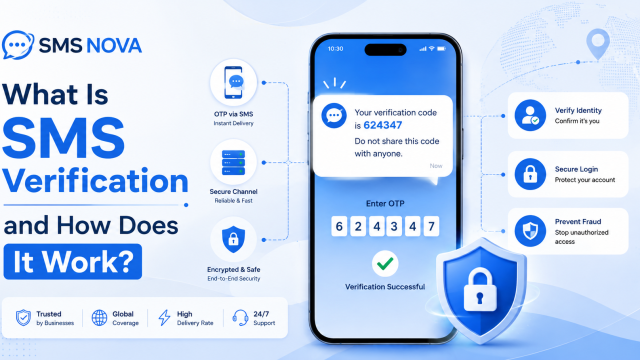
If a website requires phone number verification, the process is usually quite simple. The user chooses a suitable virtual phone number or temporary phone number, enters that number into the website requiring verification, and then requests the code to be sent. The website generates an OTP Verification Code and sends an SMS to the provided number.
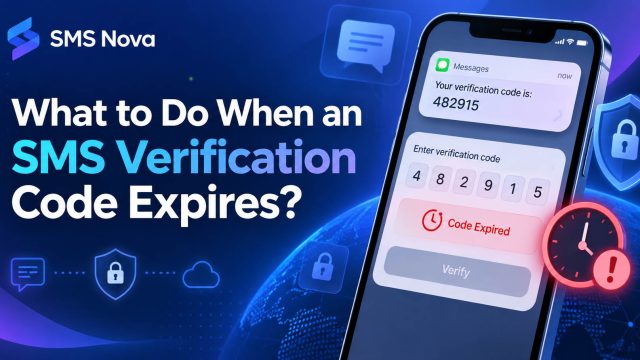
If the SMS route and number are compatible, the message will appear on the dashboard. The user retrieves the OTP and enters it back into the website to complete SMS Verification. However, not every virtual phone number can receive OTPs from every platform.
Why Does a Virtual Phone Number Sometimes Not Receive an OTP?
There can be many reasons. The website may not support a VoIP Number or Temporary Phone Number. The number may also have been used too many times, the SMS route may be incompatible, or the code delivery system may be experiencing delays.
Sometimes, the issue is simply caused by selecting the wrong country code or entering the number in the wrong format. Some platforms also proactively block Disposable Numbers or Shared Numbers to limit bots and fake accounts. Therefore, you should not expect just any Virtual Number to work with every website.
Common Types of Virtual Phone Numbers
Virtual phone numbers are not limited to just one type.
Personal virtual phone number are commonly used by users who want to separate their personal number from online activities or receive SMS for certain services.
Business virtual phone number are commonly used for business phone systems, sales, customer service, or supporting remote teams.
Temporary Phone Number are suitable for short-term needs such as receiving verification codes, testing an application, or testing SMS Verification.
Need a Virtual Number Right Now?
Skip the wait — rent an instant virtual number and start receiving SMS codes in seconds.
Disposable Phone Number usually exist for a very short period and may be used for a single verification. This type is not suitable for accounts that need to be recovered after several months or years.
There are also VoIP Numbers, which focus on the ability to make and receive calls over the Internet, as well as country-specific phone numbers for users or businesses that need a presence in multiple markets.
For example, a developer working in Vietnam may need a US virtual phone number to test the OTP receiving flow in the United States market. If the service provides a suitable route, they do not necessarily have to purchase and maintain a physical SIM in the US solely for testing purposes.
Benefits of Virtual Phone Numbers
Protecting Your Personal Phone Number
One of the clearest benefits is reducing the need to provide your primary number to too many services. Personal phone numbers are often kept for many years and may be linked to email, social media, messaging apps, or financial accounts. Therefore, using another number for short-term registrations can help limit the distribution of your primary number.
Increasing Privacy When Operating Online
A virtual phone number does not mean complete anonymity, but it can create an additional layer of separation between your personal number and certain online activities. This is useful when you only want to try a new service, register a short-term account, or are not sure whether you want to provide your primary phone number to that platform.
Receiving SMS and OTPs Online
This is one of the most common use cases for a virtual phone number that can receive OTPs. Instead of purchasing a SIM just to receive a single SMS Verification Code, users can choose a suitable number, receive the code on the dashboard, and complete the verification.
No Need to Manage Multiple Physical SIM Cards
If you frequently need numbers in multiple countries or for different purposes, managing multiple SIM cards can be inconvenient. Virtual phone numbers help move most of the process to an online environment.
Supporting Businesses and Remote Work
Businesses can use virtual numbers to separate employees’ personal numbers from their work contact numbers. A virtual hotline can also route calls to multiple employees without requiring everyone to work in the same office.
Reducing Spam and Unwanted Messages
When using a temporary number for a short-term registration, your primary number may be less likely to be added to marketing lists. This is particularly useful for websites that you do not plan to continue using for a long time.
Are SMS Nova Virtual Phone Numbers Safe?
The question “are they safe?” should be answered based on the context rather than simply with “yes” or “no.”
SMS Nova focuses on temporary phone number and virtual phone number for receiving SMS, OTPs, and verification codes online. Users can choose a number suitable for a country or service, use the number to request an OTP, and then receive the SMS through the system. For short-term needs such as trying a service, testing SMS Verification, or wanting to limit the use of a personal number, this model may be suitable.
However, the level of safety also depends on the type of account, type of number, how long you have control over the number, and how you use the OTP.
When Should You Use SMS Nova?
SMS Nova is more suitable when you only need to receive an OTP for a short period, need a number from another country, want to limit providing your primary number, or are testing a website/app.
For example, the process is usually:
Choose country → Choose service → Choose number → Request OTP → Receive SMS → Enter verification code
It is important to check whether the platform being verified allows the type of number you are using.
When Should You Not Use a Temporary Number?
You should not use a temporary phone number as the primary security method for banking, e-wallets, important email accounts, or business accounts. The reason is that your right to use the number may end. If six months later a platform requires an OTP to be sent to the old number but you no longer have access to it, recovering the account may become difficult.
The Risk of Number Recycling
An important concept when using temporary numbers is number recycling. When a user stops using a number, the provider or carrier may return that number to its pool and reassign it in the future.
Therefore, if you use a temporary number to register an account, you should remove the number from the account when you no longer need it or replace it with a recovery method that you can control long-term. If the account becomes important, consider adding a recovery email, Authenticator App, or passkey.
Public Inbox and Private Inbox
Not all SMS receiving services provide the same level of privacy. A Public SMS inbox may display messages for many people to view. This type is not suitable for sensitive information.
Meanwhile, a number with better-controlled access is more suitable when privacy is an important factor. A simple principle is: the more important the account, the less you should use a public inbox.
Frequently Asked Questions About Using Virtual Phone Numbers
Can a Virtual Phone Number Receive SMS?
Yes, it can. The ability to receive SMS depends on the type of number and the provider. Some numbers only support calls, while others support both SMS and calls.
Can a Virtual Phone Number Receive OTPs?
It can if the number supports SMS, the SMS route is compatible, and the website accepts that type of number. It should not be assumed that every virtual number can receive OTPs from every platform.
Does a Virtual Phone Number Require a SIM?
Not necessarily. Many numbers are managed directly through online platforms without requiring users to insert the corresponding SIM into a device.
Are Virtual Phone Numbers Free?
There are many different models. Some services provide free public numbers, while others charge per verification, per number, or based on the rental period. When privacy is important, you should not choose based solely on whether the service is free.
How Long Can a Virtual Phone Number Be Used?
It depends on the service. Some numbers exist for a few minutes or hours, while others are rented monthly or maintained long-term.
Is a Virtual Phone Number the Same as a Temporary Phone Number?
Not exactly. Virtual Phone Number is a broader concept. A Temporary Phone Number is a type of number designed to be used for a limited period.
Is a Virtual Phone Number the Same as an eSIM?
No. An eSIM is still an electronic SIM provided by a carrier, while a virtual number may operate through a cloud platform or online routing systems.
Can You Use a Virtual Phone Number from Another Country?
Yes, if the provider has numbers from that country and the platform requiring verification accepts them. This is often useful for international users, developers, or QA testers testing products across multiple markets.
Why Does a Website Reject a Virtual Phone Number?
A website may block VoIP Numbers, Shared Numbers, or Disposable Numbers to limit spam and abuse. Some may also reject a number because it has been used too many times or because the country is not supported.
Should You Use a Virtual Number for a Long-Term Account?
This depends on the type of number. If you rent a Virtual Number long-term and maintain stable control over it, its use is different from a temporary number that exists for only a few minutes.
With a Temporary Number or Disposable Number, you should not use it as the primary recovery method for an account that needs to be maintained long-term.
Are Virtual Phone Numbers Legal?
Virtual phone numbers have many legitimate uses, such as cloud telephony, customer service, privacy protection, software testing, and SMS Verification.
However, their use must still comply with the law as well as the terms of each website or application. Virtual numbers should not be used for spam, fraud, impersonation, or bypassing a platform’s anti-abuse measures.
Reference sources:
https://www.twilio.com/docs/glossary/what-virtual-phone-number?
https://www.itu.int/rec/T-REC-E.164-202602-I
https://csrc.nist.gov/pubs/sp/800/63/b/4/final
Need a Virtual Number Right Now?
Skip the wait — rent an instant virtual number and start receiving SMS codes in seconds.

 Apple
Apple  Telegram